
Hyperbaric Oxygen Therapy (HBOT) involves breathing pure oxygen in a pressurized environment, typically at pressures greater than one atmosphere absolute (ATA). This allows oxygen to dissolve directly into the plasma, significantly increasing oxygen delivery to tissues throughout the body.
During a typical 60-90 minute session, patients breathe 100% oxygen while inside a specially designed chamber where the pressure can be increased up to three times normal atmospheric pressure. This therapy has been used to treat various medical conditions, from wound healing to decompression sickness.
Think of it like a bottle of sparkling water. When the bottle is sealed under pressure, the gas remains dissolved in the liquid. When you open the bottle and release the pressure, the gas bubbles out. Similarly, under increased pressure in the hyperbaric chamber, oxygen dissolves more readily in your blood plasma.
This dissolved oxygen can reach areas where red blood cells cannot easily travel, promoting healing in damaged tissues, reducing inflammation, and fighting certain types of infections. The therapy is used as both a primary and adjunctive treatment for various acute and chronic conditions.
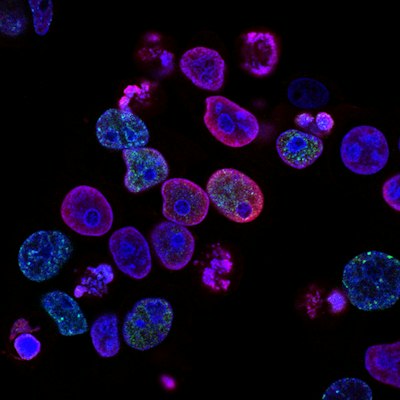
Normal oxygen delivery limited by red blood cells

Enhanced oxygen delivery through plasma saturation

"At constant temperature, the amount of gas dissolved in a liquid is directly proportional to the partial pressure of that gas above the liquid."
This fundamental principle explains why increasing the pressure inside the hyperbaric chamber allows more oxygen to dissolve into the blood plasma. Under increased pressure, oxygen molecules are forced into solution, dramatically increasing the oxygen-carrying capacity of the blood beyond what hemoglobin alone can transport.

"At constant temperature, the volume of a gas is inversely proportional to the pressure applied to it."
Boyle's Law helps us understand how gas bubbles in the body behave during hyperbaric treatment. When pressure increases, gas bubbles decrease in volume - this is crucial for treating conditions like decompression sickness. The therapy effectively "crushes" harmful gas bubbles, allowing them to be safely eliminated from the body.

"At constant pressure, the volume of a gas is directly proportional to its absolute temperature."
This law is essential for understanding the thermal dynamics within hyperbaric chambers. As pressure changes during treatment, temperature also changes. Modern hyperbaric facilities carefully monitor and control temperature to ensure patient comfort and safety throughout the therapy session.
British physician Nathaniel Henshaw builds the first hyperbaric chamber using organ bellows and valves to change pressure.
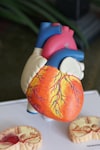
French physiologist Paul Bert discovers the relationship between decompression sickness and nitrogen bubbles in the bloodstream.

Dr. Orville Cunningham builds a six-story hyperbaric hospital in Cleveland, Ohio, nicknamed the "Steel Ball Hospital."

Over 10,000 clinical studies published. FDA-approved for 14 conditions. Growing use in sports medicine and wellness.
During World War II, the U.S. military developed hyperbaric medicine for treating decompression sickness in divers and submariners, establishing protocols still used today.
The 1950s and 1960s saw rapid advancement in clinical applications, with Dr. Ite Boerema's pioneering cardiac surgery work and the treatment of gas gangrene.
Today, hyperbaric oxygen therapy is recognized worldwide for treating conditions from diabetic wounds to carbon monoxide poisoning, with ongoing research into new applications.
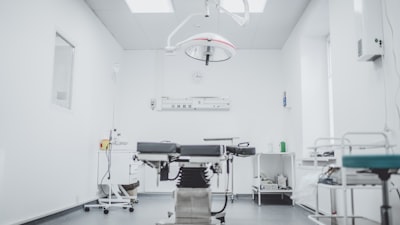
Modern hyperbaric chamber

Early hyperbaric equipment
Medical research facility
Historical diving equipment
Modern treatment room